

Reasons For Pigmentation On Face With Effective Solutions
Pigmentation is one of the most common skin concerns today. If you’re struggling with it and looking for reasons for pigmentation on the face, you’re not alone. From dark spots to uneven patches, facial pigmentation can affect anyone, regardless of age or skin type. The good news? Once you understand what pigmentation is, identifying the right solution for pigmentation becomes much easier. Let’s break it down.
What Are The Reasons For Pigmentation On The Face?
- Sun Damage - Increases melanin production, causing dark spots.
- Hormonal Changes Or Melasma - Triggers melanin overproduction, leading to patchy pigmentation.
- Acne & Skin Inflammation - Breakouts and irritation leave behind dark marks during healing.
- Medical Conditions Or Medications - Certain illnesses or drugs can stimulate pigmentation as side effects.
- Lifestyle Factors - Stress, poor sleep, diet, and pollution worsen facial pigmentation.
What Is Pigmentation?
Pigmentation occurs when certain areas of the skin become darker than the surrounding skin. This happens due to excess production of melanin, the pigment responsible for skin colour. When melanin production increases unevenly, it leads to spots, patches, freckles, or blemishes. Understanding what pigmentation is helps address it more effectively and prevent it from worsening.
Common Types Of Facial Pigmentation
Different face pigmentation reasons lead to other types of pigmentation:
1. Sun Spots
Flat, brown marks caused by prolonged sun exposure. Often appear on the face, neck, and hands.
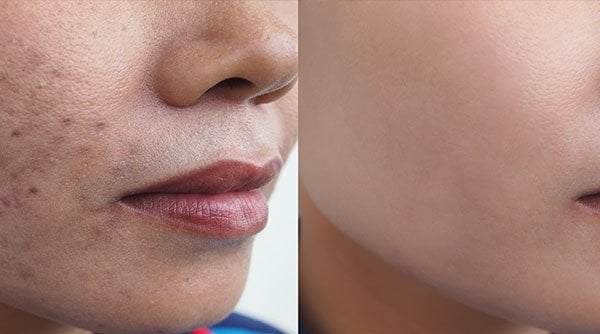
2. Acne Scars (Post-Inflammatory Hyperpigmentation)
Dark marks left behind after acne heals are common in oily and acne-prone skin.
3. Age Spots
Pigmentation that appears with ageing due to cumulative sun damage over the years.
4. Freckles
Small light-brown spots that become more visible after sun exposure.
5. Melasma
Large, patchy pigmentation is often linked to hormonal changes, pregnancy, or birth control.
6. Under-Eye Pigmentation
Dark circles are caused by genetics, fatigue, stress, or thin under-eye skin.
Reasons For Pigmentation On The Face
Now that you know what hyperpigmentation is and the numerous forms it takes, it’s time to move towards the causes of pigmentation on the face. Identifying the reasons for hyperpigmentation helps you pick the right line of treatment right off the bat. Here are some of the most common reasons for pigmentation on the face:
1. Sun Damage
There is no doubt that the harsh UV rays of the sun are quite harmful to your skin. They are responsible for up to 80% of the signs of premature ageing of your skin. They can also be causes of pigmentation on the face in the form of age spots due to lifelong exposure to the sun.
2. Hormonal Changes Or Melasma
Melasma is a patch of dark pigmentation caused by hormonal changes and may develop during pregnancy. This type of hyperpigmentation occurs mostly in women but can also occur in men.
3. Acne & Skin Inflammation
Breakouts, wounds, and skin inflammation trigger excess melanin production during healing, often leaving behind dark spots or uneven patches that linger long after the skin has recovered.
4. Medical Conditions Or Medications
In some cases, hyperpigmentation can be a symptom of an underlying medical condition, like Addison's disease. This is an adrenal gland disorder that can increase melanin production. Certain drugs, including antibiotics, can also be the reason for hyperpigmentation.
5. Lifestyle Factors
Lack of sleep, stress, poor diet, and pollution can worsen pigmentation.
Solution For Pigmentation: What Actually Works
Here are effective solutions for pigmentation you can include in your routine:
1. Use Brightening Actives
Ingredients like vitamin C help reduce melanin production and fade dark spots.
2. Moisturize Consistently
Well-hydrated skin heals better and shows reduced pigmentation over time.
3. Never Skip Sun Protection
Daily use of sunscreen is one of the most effective solutions for pigmentation.
4. Strengthen Skin Barrier
Ingredients like niacinamide help improve skin tone and prevent further damage.
5. Target Under-Eye Pigmentation
Hydrating eye care products like eye masks and creams help improve the appearance of dark circles.
Lifestyle Changes To Prevent Pigmentation
Pigmentation treatment works best when supported by healthy habits. Here are five key lifestyle changes to help reduce pigmentation on the face:
1. Reapply Sun Protection
While using sunscreen every morning is quite manageable, we often overlook the ‘reapplying’ part of it. Make sure you reapply sunscreen every few hours to ensure that your skin has adequate protection all through the day. Use a mist sunscreen to make re-application easier.
2. Proper Diet
Try to eat a diet rich in vitamins, nutrients, antioxidant-rich fruits and vegetables, and other foods that help fight hyperpigmentation. Make sure your water intake remains consistent, too, to prevent any lifestyle-related causes for hyperpigmentation on the face.
3. Plenty Sleep
Your skin regenerates itself at night; this is why it becomes vital to catch up on your beauty sleep (at least 8 hours every night). You can also back your sound sleep with a night time skin routine that boosts your skin repair.
4. Stress Management
Screen time and extreme stress can be reasons for pigmentation on the face. Try to involve stress-busting activities like yoga, meditation, or exercises to reduce any pigmentation caused by stress.
5. Consistent Skincare
Skincare products and regimens take some time to take effect. Make sure you remain consistent with your nutrition, sleep cycle, and skin regimen and allow your pigmentation treatment to work.
Consistency plays a major role in preventing recurring face pigmentation reasons.
Understanding what pigmentation is, identifying the reason for pigmentation on the face, and following the right solution for pigmentation can help you achieve clearer, more even-toned skin. Consistency, sun protection, and mindful skincare make all the difference.
With all the types, causes of hyperpigmentation, and solutions listed out for you, it’s time to stock your shelves with the right kind of products. Explore the antioxidant-rich skincare products by Garnier India alongside skin care tips and tricks on how to get rid of hyperpigmentation. You can also head to the Skin Care Quiz tool to understand more about your skin type and needs. So, what are you waiting for?