
Shop Garnier Products For Acne
Keep pollution, excess oil and bacteria away with our range of quick-acting, pimple-fighting products.
Showing you (2) result(s)
Product Type
- BB Cream
- Body Care
- Cleanser
- Combination
- Dry
- Dull
- Eye Care
- Face Mask
- Gel Range
- Makeup Remover
- Moisturiser
- Normal
- Oily
- Sensitive
- Serum Sheet Mask
- Sunscreen
- Vitamin C Serums
- Winter Care
Skin Needs
- Anti Ageing
- Anti-Pimple
- Brightening
- Cleansing
- Combination
- Dark Circle Reduction
- Deep Hydration
- Detoxification
- Dry
- Dull
- Exfoliation
- Hydration
- Makeup Removal
- Moisturisation
- Normal
- Oily
- Pimple Reduction Gel
- Pinkish Glow
- Purification
- Sensitive
- Sensitive
- Skin Firming
- Spot Reduction
- Sun Protection
- Sunscreen
- Gently cleanses, removes makeup and hydrates in one swipe* *instrumental test, 24 subjects


Reveal Your Best Skin With Garnier
Find your personalized skincare routine in under 2 minutes.
Take the Quiz
3 Types Of Acne In Men And Ways To Deal With Them
Acne is a very common skin condition and can affect people of all ages. It occurs when hair follicles get clogged with oil and dead skin cells. Depending on severity, acne can leave behind scars and even cause emotional distress. Contrary to popular belief, acne isn’t limited to teenagers or women; men experience acne just as often.
The good news? Acne is manageable. With the right skincare for acne, consistent habits, and suitable products for acne, breakouts can be controlled effectively. However, before starting any anti-acne routine, it’s important to understand the type of acne you’re dealing with. Let’s take a look at the most common types of acne in men and ways to manage them.
Types Of Acne In Men
1. Forehead Acne
Forehead acne is quite common, mainly because this area produces more oil naturally. Excess sebum mixes with dirt and dead skin cells, clogging pores and triggering breakouts. Hormonal changes, certain medications, poor hygiene, and heavy hair products can worsen the condition.
- How To Deal With It:
Cleanse regularly to remove excess oil and avoid hair products that come in contact with your forehead. A consistent anti-acne cleansing routine can help keep pores clear.
2. Beard Acne
Beard acne develops under facial hair and can be painful and itchy. It often occurs due to bacterial buildup, clogged pores, or ingrown hairs caused by hair curling back into the skin. Poor beard hygiene can also contribute to inflammation and pus-filled bumps.
- How To deal With It:
Keep your beard clean, wash it regularly, and moisturise the skin underneath. Using the right anti-acne cream can help calm inflammation and reduce bacterial growth.
3. Maskne
Maskne, a combination of “mask” and “acne,” has become increasingly common. Constant friction, pressure, trapped sweat, and bacteria under masks can cause pimples, redness, irritation, and folliculitis, especially around the chin and jawline.
- How To Deal With It:
Cleanse your face after prolonged mask use, moisturise to protect the skin barrier, and change masks frequently. Breathable fabrics and proper skin care for acne can significantly reduce flare-ups.
Anti-Acne Treatment For Men
Now that you know the different acne types, here are effective ways to manage them:
1. Wash Effectively
Acne thrives on excess oil, sweat, and impurities. Using an anti-acne face wash twice daily helps remove pore-clogging buildup. Avoid over-washing, as it can dry out the skin and worsen acne. Use gentle techniques and avoid harsh scrubbing to prevent irritation.
2. Moisturise Regularly
Many men skip moisturiser, thinking it causes more oil and breakouts; this is a myth. Dehydrated skin produces even more oil. A lightweight anti-pimple cream helps maintain hydration, control bacteria, and reduce redness without clogging pores.
3. Never Pop Pimples
Popping pimples can cause inflammation, infection, and long-term scarring. Touching acne spreads bacteria and delays healing. Instead, rely on targeted products for acne that help calm breakouts and reduce blemishes safely.
Acne is common, manageable, and nothing to be embarrassed about. With the right anti-acne approach and consistent skin care for acne, men can achieve clearer, healthier-looking skin. Understanding your acne type is the first step toward effective treatment.
Browse through a wide range of Garnier men's products for acne and flaunt smoother and clearer-looking skin effortlessly. You can also head to the Skin Care Quiz to know more about what works best for your skin type. So, what are you waiting for?
Frequently Asked Questions
1. What causes acne in men?
Acne occurs when hair follicles get clogged with oil and dead skin cells. Common triggers include excess sebum production, hormonal changes, certain medications, poor hygiene, and heavy hair products. Different areas are prone to different types, forehead acne, beard acne, and maskne are three of the most common types that men experience.
2. Is an anti-acne cream necessary for oily skin?
Yes. Many men skip moisturizer thinking it causes more oil and breakouts, but this is a myth. Dehydrated skin actually produces even more oil. A lightweight anti-pimple cream helps maintain hydration, control bacteria, and reduce redness without clogging pores.
3. Can beard acne be prevented?
Keeping the beard clean, washing it regularly, and moisturising the skin underneath helps prevent beard acne, which often develops due to bacterial buildup, clogged pores, or ingrown hairs. Using the right anti-acne cream can also help calm inflammation and reduce bacterial growth.
4. How often should men wash their faces for acne?
Using an anti-acne face wash twice daily helps remove pore-clogging buildup like excess oil, sweat, and impurities. Avoid over-washing, though, since it can dry out the skin and worsen acne. Use gentle techniques and avoid harsh scrubbing to prevent irritation.
5. Does moisturizing worsen acne?
No, this is a common myth. Dehydrated skin actually produces more oil, which can worsen breakouts. A lightweight anti-pimple cream helps maintain hydration, control bacteria, and reduce redness without clogging pores.
6. What is the best skin care for acne-prone men?
An effective routine includes washing twice daily with an anti-acne face wash to remove oil and impurities, moisturising regularly with a lightweight anti-pimple cream, and never popping pimples, since this can cause inflammation, infection, and long-term scarring.
7. How long does it take to see results from anti-acne treatments?
Results depend on consistency and understanding your specific acne type first, whether that's forehead acne, beard acne, or maskne. Sticking to a routine of twice-daily cleansing and regular moisturising, without over-washing or popping pimples, supports steady improvement over time.
8. How can I get rid of acne fast?
Cleanse with an anti-acne face wash twice daily to remove excess oil, sweat, and impurities that clog pores. Moisturize regularly with a lightweight anti-pimple cream, and avoid popping pimples, since this can cause inflammation, infection, and long-term scarring.
9. What's the best way to treat acne?
Understanding your acne type is the first step. Whether it's forehead acne, beard acne, or maskne, consistent cleansing twice daily, regular moisturising, and avoiding pimple-popping form the foundation of an effective anti-acne approach.
10. What's a simple skincare routine for acne-prone skin?
Cleanse twice daily with an anti-acne face wash to remove pore-clogging buildup, using gentle techniques rather than harsh scrubbing. Follow with a lightweight anti-pimple cream to maintain hydration, control bacteria, and reduce redness without clogging pores.
11. What's the best cream to get rid of acne quickly?
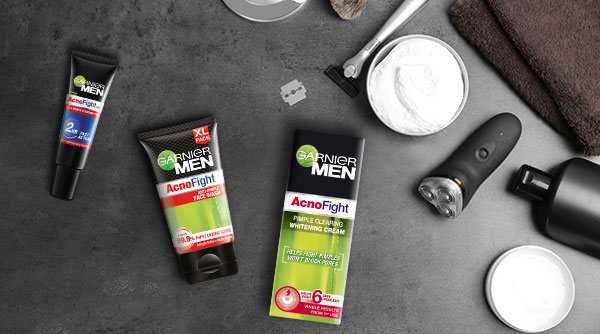
The Acno Fight Pimple Clearing Brightening Cream is a lightweight anti-pimple cream that helps maintain hydration, control bacteria, and reduce redness without clogging pores, addressing the common myth that moisturiser worsens acne.
12. Which face wash works best for acne and pimples?
The Acno Fight Anti Pimple Face Wash is designed for twice-daily use to remove excess oil, sweat, and impurities that clog pores and trigger breakouts. Avoid over-washing, since this can dry out skin and worsen acne.
13. What are the best skincare products to prevent acne and control oil?
An anti-acne face wash used twice daily removes pore-clogging oil and impurities, while a lightweight anti-pimple cream maintains hydration and controls bacteria without adding excess oil, helping prevent new breakouts from forming.
14. Top face washes that clear acne and pimples fast?
The Acno Fight Anti Pimple Face Wash helps remove pore-clogging buildup when used twice daily. Consistency matters more than frequency, since over-washing can dry out skin and actually worsen acne.
15. Which anti-acne cream works well without irritating skin?
The Acno Fight Pimple Clearing Brightening Cream is lightweight and formulated to maintain hydration, control bacteria, and reduce redness without clogging pores, addressing acne without the dryness or irritation that over-washing or harsh products can cause.
Read More About Anti-Acne Skincare
Discover More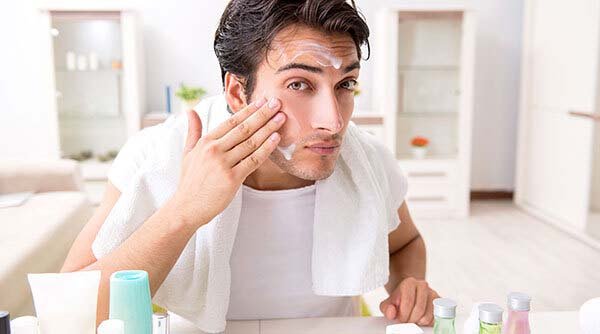
4-Step Anti-Acne Skincare Routine For Men
Bouts of acne are never a pleasant experience. Acne on the skin often leads to discomfort and lack of confidence.
Read More
Dealing With Pimple And Acne In Men
Dealing with acne is annoying, we understand. And women aren’t the only ones struggling with pimples, zits, or blemishes. Oily and acne-prone skin is a common concern for all, including men.
Read More

Beard Acne: Causes and Treatment
While you enjoy your appearance with a long bushy beard, you often tend to ignore your facial hair and leave it unattended. Not maintaining your beard may not seem important or a problem at first, but just when you think that you have successfully mastered the beard game by growing a beard, you may start experiencing the nightmare of every man: beard acne.
Read More