
Shop Garnier Products For Dry Skin
Deeply nourish and hydrate your skin with Garnier products for dry skin, formulated to restore softness, moisture, and natural radiance.
Showing you (7) result(s)
Brand
- Ageless White
- BB Cream
- Body Cocoon
- Bright Complete
- Combination
- Daily Care
- Dry
- Dull
- Fresh Mix
- Gentle
- Hydra Bomb
- Micellar
- Normal
- Oily
- Pure Active
- Pure Charcoal
- Sakura White
- Sensitive
- Sun Control
- Sunscreen
- Winter Cocoon
- Wrinkle Lift
Product Type
- BB Cream
- Body Care
- Cleanser
- Combination
- Dry
- Dull
- Eye Care
- Face Mask
- Gel Range
- Makeup Remover
- Moisturiser
- Normal
- Oily
- Sensitive
- Serum Sheet Mask
- Sunscreen
- Vitamin C Serums
- Winter Care
Skin Needs
- Anti Ageing
- Anti-Pimple
- Brightening
- Cleansing
- Combination
- Dark Circle Reduction
- Deep Hydration
- Detoxification
- Dry
- Dull
- Exfoliation
- Hydration
- Makeup Removal
- Moisturisation
- Normal
- Oily
- Pimple Reduction Gel
- Pinkish Glow
- Purification
- Sensitive
- Sensitive
- Skin Firming
- Spot Reduction
- Sun Protection
- Sunscreen
- Gently cleanses, removes makeup and hydrates in one swipe* *instrumental test, 24 subjects
-

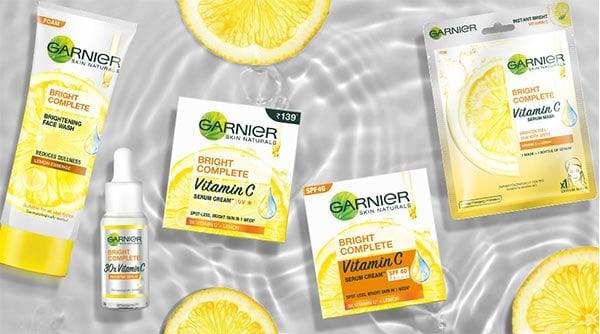
Bright Complete Facewash
Skin Naturals
Facewash
₹ 309.00
-

Bright Complete Vitamin C Serum
Skin Naturals
Vitamin C Face Serum
₹ 225.00
-

Garnier Bright Complete Vitamin C Serum Cleanser
₹ 129.00
-

Garnier Vitamin C Fresh & Bright Cream
Skin Naturals
Achieve 48-hour hydration* with the Garnier Vitamin C Fresh & Bright Cream. This ultra-light vitamin C face cream delivers long-lasting hydration with a refreshing texture. Powered by 4.5% Vitamin C, Hyaluron, Niacinamide, and BHA, the vitamin C moisturizer brightens skin, reduces dark spots by 47%* in 1 week*, and controls excess oil. Enjoy fresh, hydrated, and visibly brighter skin every day with this face moisturizer. *Based on consumer study
₹ 129.00
-

Hydra Bomb Pomegranate Serum Sheet Mask
Skin Naturals
Sheet Mask
₹ 99.00
-

Micellar Oil Infused Cleansing Water
Skin Naturals
Cleansing Water
₹ 275.00
-

Vitamin C Brightening Night Serum
Skin Naturals
Vitamin C Brightening Night Serum
₹ 329.00
Daytime Vs Nighttime Challenges For Dry Skin & How To Overcome Them With Garnier Products For Dry Skin
If you have dry skin, you probably know the struggle, that constant feeling of tightness, flakiness, or dullness that seems to worsen at certain times of the day. Have you ever noticed how your skin behaves differently during the day compared to nighttime? That’s because your skin faces completely different challenges depending on the time of day.
From external aggressors like sun exposure and pollution during the day to moisture loss and barrier repair at night, your skin has its own rhythm. Understanding these changes can help you develop a more effective dry skincare routine and select the right products for dry skin to keep it healthy, hydrated, and radiant.
Let’s explore the key daytime vs nighttime challenges for dry skin, and how to overcome them effectively with Garnier products for dry skin designed to protect, nourish, and repair your skin around the clock.
Daytime Challenges For Dry Skin
1. Dehydration From Sun Exposure
During the day, your skin is constantly exposed to UV rays, which can break down collagen, weaken your skin barrier, and lead to moisture loss. This makes dry skin appear dull and even more dehydrated.
How To Overcome It
Hydration and protection are key. Use a vitamin C serum cream with SPF from Garnier products for dry skin to provide long-lasting moisture and sun protection. Ingredients like glycerin, hyaluronic acid, and vitamin C help retain hydration while giving your skin a natural glow.
2. Pollution & Dust
Urban pollution is another major culprit behind dryness and premature ageing. Fine particles and dirt can stick to your skin, clog pores, and damage the skin barrier.
How To Overcome It
Start your day with a gentle face cleanser like the oil-infused micellar water and lemon facewash, and follow up with a hydrating toner or serum. Look for products for dry skin that help cleanse without stripping natural oils. You can also include a vitamin C serum from Garnier products for dry skin to fight free radicals and dullness caused by pollution.
3. Weather & Environmental Factors
Air conditioning and extreme weather can sap moisture from your skin throughout the day. This often leaves dry skin feeling tight or flaky, especially around the cheeks and nose.
How To Overcome It
Keep a nourishing moisturizer or hydrating mist handy. Reapply as needed to prevent dehydration. Opt for dry skincare routine essentials like moisture-locking face creams and barrier-strengthening ingredients such as shea butter or ceramides.
Nighttime Challenges For Dry Skin
1. Overnight Moisture Loss
At night, your skin naturally loses water through a process called Transepidermal Water Loss (TEWL). This makes your skin feel even drier by morning if not properly nourished before bed.
How To Overcome It
Before sleeping, cleanse gently to remove impurities and follow with a rich night cream or night serum. Using Garnier products for dry skin, such as a vitamin C night cream or serum, helps replenish lost moisture and boosts skin repair while you rest.
2. Lack Of Barrier Repair
Dry skin often has a weakened lipid barrier, which makes it harder for the skin to lock in moisture and repair itself overnight.
How To Overcome It
Use restorative products for dry skin containing nourishing ingredients like vitamin E, hyaluronic acid, and plant-based emollients. Massage them gently into the skin to boost circulation and enhance absorption while supporting overnight renewal.
3. Not Sleeping Enough
Insufficient sleep disrupts your skin’s natural repair cycle. Lack of rest can slow cell regeneration and leave your skin looking dull and fatigued.
How To Overcome It
Ensure you get 7-8 hours of quality sleep every night. Support your nighttime repair process with an antioxidant-rich cream or the pomegranate sheet mask from Garnier products for dry skin to wake up with hydrated, healthy-looking skin.
Tips To Balance Day & Night Care For Dry Skin
- Drink plenty of water throughout the day
- Use gentle cleansers, avoid harsh soaps that strip your skin’s oils
- Apply moisturizer immediately after washing to seal in hydration
- Add a weekly sheet mask or overnight treatment for extra nourishment
- Protect your skin barrier with consistent use of sunscreen and restorative night creams
Together, these create an effective dry skincare routine that ensures your skin remains supple, soft, and radiant day and night.
Your skin’s needs change throughout the day; protection by day and repair by night. By understanding these shifts and using targeted products for dry skin, you can keep your complexion soft, nourished, and glowing.
From vitamin C creams to replenishing night serums, Garnier skincare products for dry skin provide the hydration and protection your skin deserves, helping it stay radiant around the clock. Also, head to the skin care tips section to learn about how to determine your skin type, and more. You can also explore the Garnier Skin Care Quiz to discover personalised recommendations on what works best for your skin. Apart from this, browse through a wide range of men’s skin care products to help your favourite man achieve healthy skin effortlessly. Shop now!
Frequently Asked Questions
1. What causes dry skin in the first place?
Dry skin can result from both daytime and night-time factors. During the day, UV exposure, pollution, and weather conditions like air conditioning strip moisture and weaken the skin barrier. At night, skin naturally loses water through Transepidermal Water Loss (TEWL), and a weakened lipid barrier makes it harder to lock in moisture and repair overnight.
2. How can I keep my dry skin hydrated throughout the day?
Start with a gentle cleanser like oil-infused micellar water or lemon facewash, follow with a hydrating toner or serum, and keep a nourishing moisturizer or hydrating mist on hand to reapply as needed, especially in air-conditioned or extreme weather conditions.
3. Why does dry skin feel worse at night?
At night, the skin loses water through a process called Transepidermal Water Loss (TEWL), which can leave the skin feeling even drier by morning if it isn't properly nourished before bed. Dry skin also often has a weakened lipid barrier, making it harder to retain moisture and repair itself while you sleep.
4. Can I use the same moisturizer for day and night?
Not ideally. Daytime needs hydration paired with sun protection, such as a vitamin C serum cream with SPF, while night-time calls for a richer formula like a night cream or night serum that replenishes lost moisture and supports skin repair while you rest.
5. How can I build an effective dry skincare routine?
An effective dry skincare routine balances sun protection during the day and repair at night. Additionally, drink plenty of water, use gentle cleansers that avoid stripping natural oils, apply moisturizer immediately after washing your face to seal in hydration, add a weekly sheet mask or overnight treatment, and protect your skin barrier with consistent sunscreen and restorative night creams.
6. Which sunscreens hydrate dry skin without feeling oily?
A vitamin C serum cream with SPF provides long-lasting moisture and sun protection in one step. Ingredients like glycerin, hyaluronic acid, and vitamin C help retain hydration while giving skin a natural glow, without a heavy or oily feel.
7. What facial cleanser is best for dry skin that won't strip moisture?
Look for a gentle cleanser like oil-infused micellar water or lemon facewash that cleanses without stripping natural oils. Follow up with a hydrating toner or serum to maintain moisture levels after cleansing.
8. Which face moisturizers work best for very dry skin and improve skin texture?
Look for moisture-locking face creams with barrier-strengthening ingredients like shea butter or ceramides during the day, and restorative formulas with vitamin E, hyaluronic acid, and plant-based emollients at night to support overnight renewal and texture improvement.
9. What's the best moisturizer for dry skin that doesn't feel greasy?
A vitamin C serum cream with SPF combines hydration and sun protection in a lightweight formula. Ingredients like glycerin and hyaluronic acid retain moisture and give skin a natural glow without feeling heavy or greasy.
10. Does pollution make dry skin worse?
Yes. Urban pollution is a major culprit behind dryness and premature aging, since fine particles and dirt can stick to the skin, clog pores, and damage the skin barrier. Starting the day with a gentle cleanser and following with a vitamin C serum helps fight free radicals and dullness caused by pollution.
11. How does sleep affect dry skin?
Insufficient sleep disrupts the skin's natural repair cycle, slowing cell regeneration and leaving skin looking dull and fatigued. Aim for at least 7 to 8 hours of quality sleep and support the repair process with an antioxidant-rich cream or a pomegranate sheet mask to wake up with hydrated, healthy-looking skin.
12. What ingredients help repair the skin barrier overnight?
Nourishing ingredients like vitamin E, hyaluronic acid, and plant-based emollients help restore a weakened lipid barrier. Gently massaging these into skin before bed boosts circulation and enhances absorption, supporting overnight renewal.
13. Why does dry skin feel tight or flaky during the day?
Air conditioning and extreme weather can sap moisture from skin throughout the day, often leaving dry skin feeling tight or flaky, especially around the cheeks and nose. Keeping a nourishing moisturizer or hydrating mist on hand to reapply as needed helps prevent this.
14. Can a sheet mask help with dry skin?
Yes. Adding a weekly sheet mask, such as the pomegranate sheet mask, provides extra nourishment as part of a nighttime routine, helping to support the skin's repair process while you sleep.
15. What's the difference between daytime and night-time skin care for dry skin?
Daytime skin care focuses on protection, such as sun protection and shielding against pollution, while night-time skin care focuses on repair, replenishing moisture lost through Transepidermal Water Loss (TEWL) and restoring the skin barrier. Both are needed together for a complete dry skincare routine.
Read More About Dry Skin

Genius Tips To Treat Dry Skin Effectively
Dry skin is a common condition that can be both uncomfortable and unsightly. It occurs when the skin loses its natural moisture, and leads to itching, flakiness, and a dull appearance. If you’re struggling with the same and looking for a dry skin treatment at home, look no further.
Read More

What Causes Dryness In Skin? Top Triggers & Solutions
The feeling of stretchy, itchy and flaky skin is not a pleasant one. Dryness in skin can be quite bothersome and uncomfortable. Dryness is predominantly caused by lack of moisture in skin.
Read More
Dry Skin Care Regime Curated Specially For You!
Not all skin types are the same and each skin type needs a skin-specific routine to maintain its health. For example, if you have dry skin, using a face wash for oily skin will further dry it and make it dehydrated and flaky.
Read More